

Published November 14, 2025
Pros and Cons of Buying a Fixer-Upper

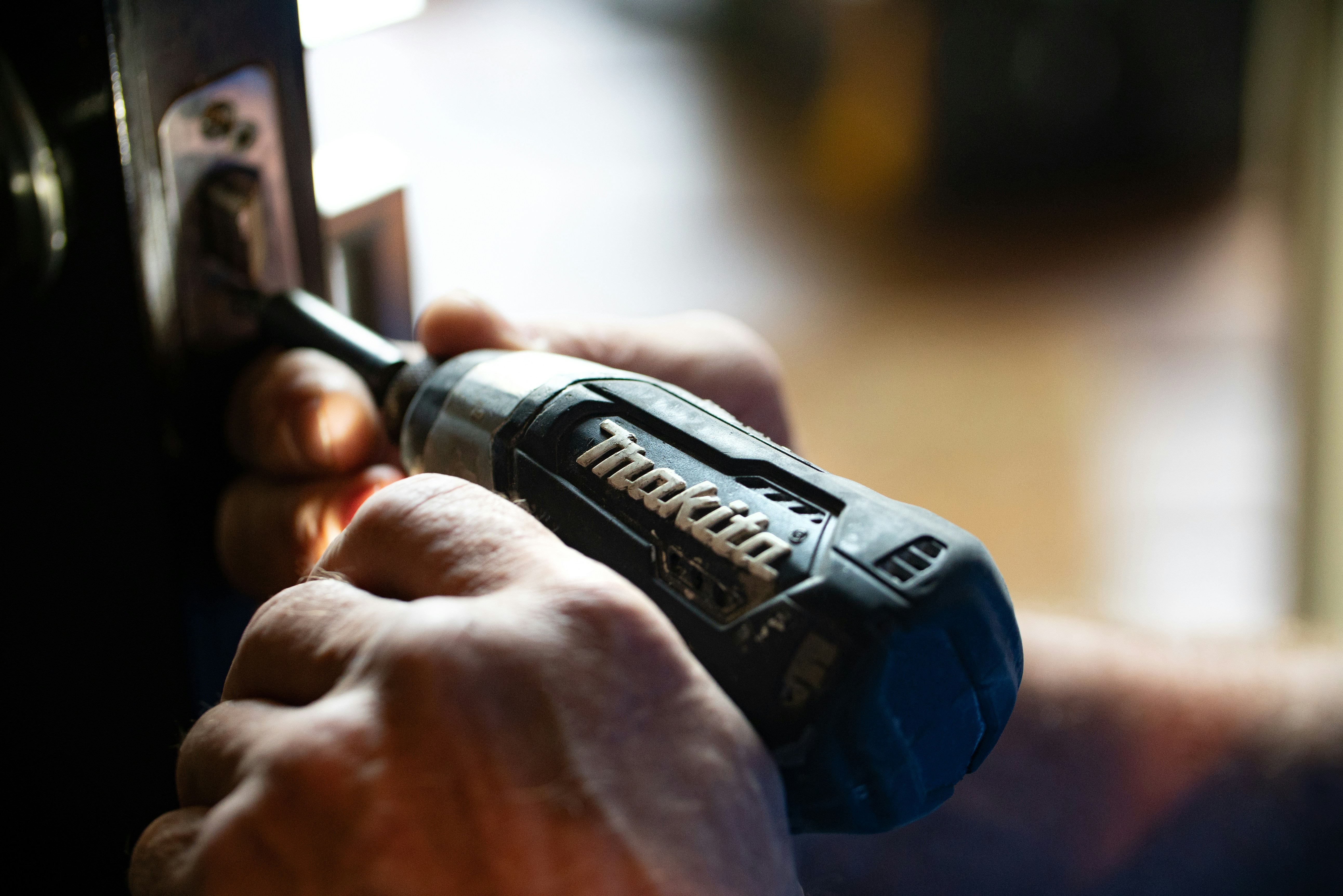
Pros and Cons of Buying a Fixer-Upper: Is It the Right Move for You?
Buying a home is one of the biggest decisions you’ll ever make—and for some buyers, the idea of purchasing a fixer-upper is both exciting and a little intimidating. While the potential rewards can be huge, it’s important to understand the full picture before jumping in. If you’re considering buying a home that needs some TLC, here’s a clear breakdown of the pros and cons to help you decide if it’s the right fit for your goals, budget, and lifestyle.
Pros of Buying a Fixer-Upper
1. Lower Purchase Price
One of the biggest advantages of fixer-uppers is the lower initial cost. Homes that need repairs or updates are typically priced below market value, making them more accessible for budget-conscious buyers or those looking to get into neighborhoods that would otherwise be out of reach.
2. Opportunity to Build Equity Quickly
A fixer-upper gives you the chance to increase the home’s value through improvements. Renovating outdated spaces or tackling structural issues can dramatically boost equity—something that typically takes years to build in a move-in-ready home.
3. Ability to Customize
When you buy a fixer-upper, you get the freedom to create a home that fits your style and needs. From flooring and paint choices to kitchen layouts and bathroom finishes, you’re in control of the design decisions.
4. Less Competition
Move-in-ready homes often attract multiple offers, especially in competitive markets. Fixer-uppers, on the other hand, may receive fewer bids, giving you more negotiation power and reducing the pressure to make rushed decisions.
5. Potential for a Higher Return on Investment
If you plan to sell the home in the future, well-planned renovations can significantly increase your return. Buyers are often willing to pay a premium for updated, modern spaces—especially in areas with high demand.
Cons of Buying a Fixer-Upper
1. Renovation Costs Can Add Up
While the listing price may be lower, the cost of repairs can escalate quickly. Unexpected issues—like plumbing, electrical, or structural problems—may arise once work begins. It’s essential to budget carefully and include a cushion for surprises.
2. Time-Consuming Projects
Renovations can take months to complete, especially if you're tackling major updates. Depending on the scope, you may need to temporarily live elsewhere or deal with construction noise and dust for an extended period.
3. Requires Patience and Flexibility
Fixer-uppers come with delays, setbacks, and decisions at every turn. If you’re someone who prefers a hassle-free move-in experience, the renovation process may feel overwhelming.
4. Financing Can Be More Complicated
Some fixer-uppers don’t qualify for traditional financing if they have significant safety or functional issues. In these cases, buyers may need specialized renovation loans, which can come with additional requirements and higher upfront costs.
5. Risk of Over-Improving
It’s possible to invest more into renovations than you’ll get back in resale value, especially if improvements exceed what’s typical for the neighborhood. Working with an experienced real estate agent can help you stay aligned with market expectations.
Is a Fixer-Upper Right for You?
A fixer-upper can be a rewarding investment—both personally and financially—if you’re prepared for the work and cost involved. It’s ideal for buyers who are handy, creative, or willing to manage contractors. However, if you prefer a smooth, immediate move-in with minimal stress, a turnkey home may be a better fit.
Before making a decision, partner with an experienced real estate agent who can help you evaluate the property, estimate renovation needs, and determine whether the project aligns with your budget and goals.
Thinking about exploring fixer-upper opportunities in your area? Our team would be happy to help you assess your options!


